
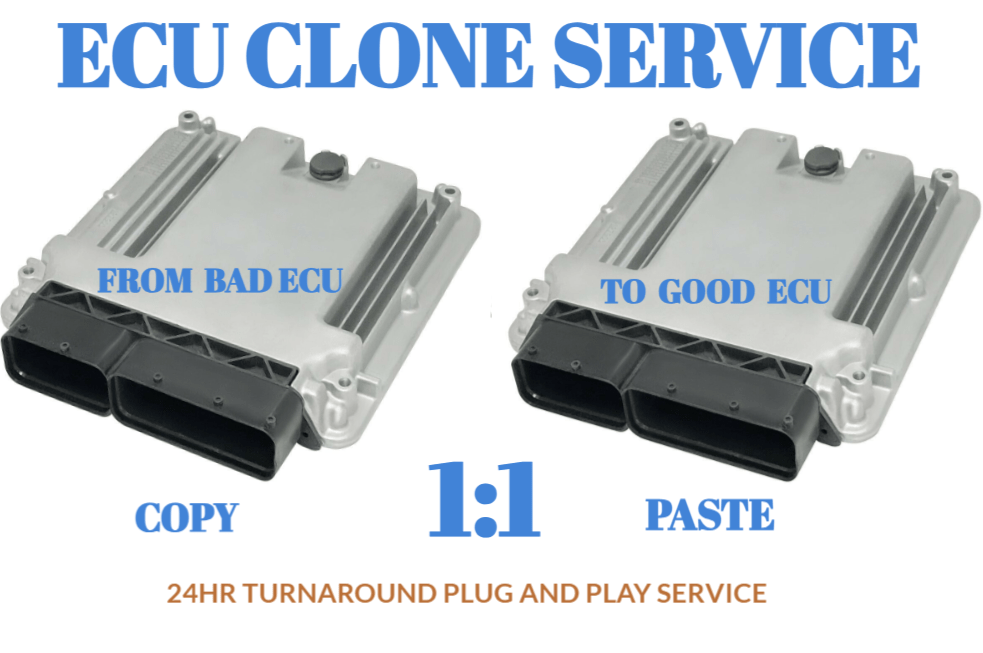
Peterbilt ECU Clone & ECM Programming Service
$300.00
Nationwide mail-in Peterbilt ECM clone service — every PACCAR MX-13 / MX-11 MCM, Cummins X15 / ISL9 / B6.7 CM-family, legacy Caterpillar C15 / C13 / 3406E ADEM-III / ADEM-IV (the iconic Pete + Cat heritage), Detroit Series 60 DDEC, and Cummins N14 / M11 ECM across Peterbilt 579, 389 (the iconic owner-op long-nose), 567, 520, 365, 348, 337, 220, and legacy 379 / 359 / 387 / 384 / 386 — 1990 through 2026. PACCAR ESA + Davie4/5 + Cummins Insite + Cat ET + DDDL bypass — no Peterbilt dealer, no PACCAR Connect / SmartLINQ re-pairing, no TX-12 re-pairing. 1:1 EEPROM + Flash clone preserves engine serial, VIN, rating code (MX-13 sold at 380-510 HP via rating code, X15 at 400-565 HP), calibration ID, customer parameters, injector trim codes, DPF/DEF/SCR values, NOx learned values, PACCAR Connect / SmartLINQ pairing, TX-12 / TX-18 automated manual pairing, Bendix Wingman ADAS calibration, and any Pittsburgh Power / 5-Star / Tre-Flo / Custom Cat / EZ-Lynk / EFI Live / Diesel Power Source / PPEI / Banks / Hot Shot’s aftermarket overlay. Same-day processing for ECMs received before 2pm. Priority same-day queue for Pete owner-operators. Save $3,500-$10,500+ vs. PACCAR dealer ECM + ESA programming.
Peterbilt ECU Clone & ECM Programming Service — All 579 / 389 / 567 / 520 / 337 / 348 / 220 — PACCAR MX-13 / MX-11 / Cummins X15 / Cat C15 / Detroit Series 60 — 1990–2026
Nationwide mail-in service — ship your Peterbilt ECM to us from anywhere in the United States. We operate from 2 locations; the exact shipping address will be shown on your order receipt at checkout, routed based on tool availability and fastest turnaround for your specific Peterbilt model and engine.
Peterbilt ECM clone performed by Dan Karman — Class 8 heavy-truck ECM specialist since 1999, online since 2006. Full bench clone process documented on our YouTube channel. Reference updated April 2026.
Every Peterbilt Class 8 + Class 6/7 medium-duty ECM from 1990 through 2026 — across every Peterbilt platform (579 the modern aerodynamic fleet workhorse Class 8 sleeper / day-cab launched 2012 to compete with Cascadia, 389 the iconic long-nose owner-operator premium conventional with full chrome and custom-paint options, 567 vocational severe-duty for dump / mixer / fuel / refuse / oilfield / heavy-haul, 520 the low-cab-forward refuse / garbage truck, 365 mixer / vocational, 337 Class 7 medium-duty, 348 Class 8 medium-duty vocational, 220 cabover medium-duty for urban delivery / refuse / utility, legacy 359 / 379 / 387 / 384 / 386 the heritage long-nose and aerodynamic models that are still everywhere in heavy-haul / oilfield / logging / classic owner-op fleets, Peterbilt Model 281 / 282 historical, and the new Model 537 / 548 / 536 medium-duty range) — covering every engine option ever offered: PACCAR MX-13 (12.9L) the workhorse current-gen Peterbilt 579 / 389 engine since 2010, PACCAR MX-11 (10.8L) the medium-duty / lighter-Class-8 PACCAR engine, PACCAR PX-9 / PX-7 medium-duty (Cummins-derived), Cummins ISX / X15 (the fleet-spec Cummins option, ~30-40% of modern Peterbilts), Cummins ISL / L9 / ISB / B6.7 for medium-duty, Caterpillar C15 / C13 / C11 / 3406E / 3408 the legacy Cat engines that powered most pre-2007 Peterbilts (still in massive service across heavy-haul / oilfield / heritage fleets — Pete + Cat is the iconic owner-op combo), Detroit Series 60 (DDEC III / IV / V / VI on 1990s-2010 Peterbilts), and Cummins N14 / M11 (legacy 1990s heavy-duty). Every emissions tier covered — pre-EGR (1990-2002), EGR (2002-2007), DPF EPA 2007 (2007-2009), SCR/DEF EPA 2010 (2010-2012), GHG14 (2013-2016), GHG17 (2017-2020), GHG21 (2021-2023), GHG24 (2024+). Karmanauto reads the EEPROM and Flash memory bit-for-bit, writes them to your replacement ECM, preserves your original engine serial number (ESN), Vehicle Identification Number (VIN), rating code (PACCAR MX-13 sold at 380 / 405 / 455 / 485 / 510 HP via rating code; X15 sold at 400-565 HP), customer parameters (max road speed, idle shutdown, governor RPM, fan engagement, Predictive Cruise, PACCAR Connect fleet ID, owner ID, driver ID), individual injector trim codes (each PACCAR / Cummins / Cat / Detroit injector has a multi-digit trim code stamped on the body), DPF/DEF/SCR/NOx values, aftertreatment calibration, PACCAR Connect / SmartLINQ telematics pairing, TX-12 / TX-18 automated manual transmission pairing, Bendix Wingman adaptive cruise pairing, any aftermarket overlay (EZ-Lynk / EFI Live / Pittsburgh Power / DPA5 / Nexiq / PACCAR ESA tunes / Davie4 / Davie5 calibrated tunes / Banks / Hot Shot’s Secret / Calibrated Power / RaceMe / iDash / PPEI custom Cummins X15 tunes / Diesel Power Source for Pete Cummins / SmartTorque custom tunes on Cummins X15 Peterbilts; PACCAR ESA dealer tunes / Davie5 / Detroit DPA5 / PACCAR MX custom tunes by Dieselsite / Calibrated Power Solutions on PACCAR MX-13 Peterbilts; Pittsburgh Power / Tre-Flo / 5-Star tuning / Magnum / Custom Cat tunes on legacy Cat-equipped Peterbilts), and returns a plug-and-play replacement — no PACCAR ESA (Electronic Service Application), no Davie4 / Davie5, no Cummins Insite, no Cat ET, no Detroit Diagnostic Link (DDDL), no Peterbilt dealer programming, no PACCAR Connect re-pairing, and no DEF reset trip required.
⚠ Why a Peterbilt ECM failure costs you $2,500-$5,000/day — and why PACCAR ESA + Cummins Insite dealer ECM replacement runs $4,000-$13,000+
A deadlined Peterbilt 579 or 389 on the shoulder of I-80, I-40, I-10, I-95 isn’t just downtime — it’s a chain reaction. Owner-operator load economics: $2,500-$5,000/day in lost revenue (per-mile + per-load average across general freight, reefer, dry van, flatbed, oilfield, heavy-haul). Add Class 8 tow ($800-$3,500), driver hotel + per-diem, possible reefer freight loss, broker relationship damage when the load misses the appointment, dispatcher chaos, and DOT compliance issues. Real owner-operators have absorbed $25,000-$80,000 in losses from a single Peterbilt ECM event. For small fleets, one shop tying up multiple trucks waiting for ECMs from PACCAR Parts distribution during peak season is the operations manager’s nightmare. PACCAR Parts distribution is fast — but PACCAR ESA / Davie4 / Davie5 / Cummins Insite / Cat ET programming labor is the bottleneck. Independent shops can install ECMs but cannot program them. Even authorized Peterbilt dealers have queues during peak season.
The PACCAR / Peterbilt dealer path is slow and expensive. Only authorized Peterbilt dealers have PACCAR ESA (Electronic Service Application) / Davie4 / Davie5 — PACCAR’s proprietary dealer programming tools for MX-13 / MX-11. Cummins-spec’d Peterbilts require Cummins Insite + Calterm. Legacy Cat C15 / 3406E require Cat ET / Caterpillar Electronic Technician. Legacy Detroit Series 60 require Detroit Diagnostic Link (DDDL). New PACCAR MX-13 ECM from PACCAR Parts: $3,200-$5,500; new Cummins X15 CM2250 / CM2350 / CM2450 / CM2880 ECM: $2,800-$6,500; legacy Cat C15 ADEM-IV / ADEM-V: $2,500-$5,500; legacy Detroit Series 60 DDEC VI / 10: $2,500-$4,500. Plus $600-$1,800 in dealer programming labor, plus ESN write, plus VIN write, plus calibration ID flash, plus injector trim re-entry, plus emissions reflash on EPA 2010+, plus PACCAR Connect / SmartLINQ telematics re-pairing, plus TX-12 / TX-18 transmission re-pairing. All-in fleet ticket on a Peterbilt 579 MX-13 ECM swap: $4,000-$11,000+, ready in 3-12 days, longer during Q4 holiday peak.
Karmanauto’s 1:1 ECM clone is the practical, plug-and-play workaround. We don’t decrypt anything proprietary. We don’t crack PACCAR’s, Cummins’s, Cat’s, or Detroit’s encryption. We simply copy your original ECM’s data — engine serial number, VIN, rating code, customer parameters, injector trim codes, DPF/DEF values, PACCAR Connect / SmartLINQ pairing, TX-12 transmission pairing, aftermarket overlay if installed — bit-for-bit to a donor ECM. The donor IS your ECM as far as the engine, the truck, PACCAR ESA / Cummins Insite / Cat ET / DDDL, and your fleet telematics are concerned. Plug in, key on, Peterbilt fires. Same-day processing, 2-4 business day total turnaround, back on the road before your load misses delivery.
Total savings: Often $3,000-$10,000+ in saved Peterbilt dealer ECM + ESA / Insite / Cat ET / DDDL programming labor, plus $5,000-$30,000+ in saved downtime / lost-load revenue. That’s why Peterbilt owner-operators, small-to-mid fleets, independent truck shops, and fleet maintenance managers across all 50 states ship us Peterbilt ECMs every week.
A new PACCAR MX-13 ECM from a Peterbilt dealer is engine-serial-blank, rating-code-blank, customer-parameter-blank, calibration-ID-blank, injector-trim-blank, and unpaired with your PACCAR Connect / SmartLINQ / TX-12. After install, the Peterbilt dealer must use PACCAR ESA / Davie5 to write your Engine Serial Number (ESN — stamped on the engine block dataplate), write your VIN (stamped on the chassis), flash the correct calibration ID for your truck application, enter the correct rating code (MX-13 sold at 380 / 405 / 455 / 485 / 510 HP — same engine, different rating in ECM), enter customer parameters (max road speed, idle shutdown timer, governor RPM, Predictive Cruise hysteresis, fleet ID, driver ID, owner ID), program individual injector trim codes (each PACCAR / Cummins / Cat injector has a multi-digit trim code), configure J1939 / J1708 datalink addresses, pair PACCAR Connect / SmartLINQ telematics, pair TX-12 / TX-18 automated manual transmission, and on EPA 2010+ engines: re-program DEF dosing parameters, SCR catalyst aging values, NOx sensor learned values, ATD service intervals. Dealer total programming labor: $600-$1,800 on top of the ECM cost. Plus dealer wait time. Plus ESA / Insite / Cat ET / DDDL session fees. All-in dealer ticket: $4,000-$11,000+, ready in 3-12 days.
Our 1:1 EEPROM + Flash clone reads your original ECM at the chip level, writes the entire firmware + base calibration + ESN + VIN + rating code + customer parameters + injector trim codes + DPF/DEF/SCR values + NOx learned values + ATD calibration + PACCAR Connect / SmartLINQ pairing + TX-12 transmission pairing + datalink addresses + any Pittsburgh Power / DPA5 / Nexiq / PACCAR ESA / Davie / EZ-Lynk / EFI Live / Banks / Hot Shot’s / Calibrated Power / RaceMe / iDash / PPEI / Diesel Power Source aftermarket calibration overlay to a donor ECM, and ships it back same day. No PACCAR ESA, no Davie5, no Cummins Insite, no Cat ET, no DDDL, no Peterbilt dealer, no PACCAR Connect re-pairing, plug-and-play. Your Peterbilt 579 / 389 / 567 / 520 / 337 / 220 / legacy 379 / 359 starts, runs at the correct HP, hits full torque, J1939 telematics works, DPF/SCR functions normally, DEF dosing resumes, derate countdown clears.
Don’t want to read the whole page? Here’s how it works.
Three simple steps. No PACCAR ESA. No Davie. No Cummins Insite. No Cat ET. No DDDL. No Peterbilt dealer. Your original ECM cloned to a donor and ready to install.
Add to Cart & Pay
Click Add to Cart on this page and complete checkout. You’ll receive an email receipt with your order number and the shipping address to send your ECM to.
Print Receipt & Ship
Print your receipt or write your order number on a slip of paper and drop it in the box with both the original ECM and your donor ECM. Ship to the address on your receipt — we operate from two locations, and your receipt tells you which one. Overnight FedEx recommended for fleet-down emergencies.
Cloned & Returned
Same-day processing for ECMs received before 2pm. We clone your original EEPROM + Flash 1:1 to the donor ECM, preserve engine serial, VIN, rating code, calibration ID, injector trim, customer parameters, DPF/DEF/SCR values, PACCAR Connect pairing, TX-12 pairing, aftermarket overlay, and ship both ECMs back. Plug donor in, key on, Pete fires.
Same-day processing for ECMs received by 2pm. Total turnaround ship-to-running is typically 2–4 business days. Overnight options available for fleet-down / load-deadline emergencies — call ahead.
Common Peterbilt ECM failure modes — why your Pete died
Peterbilt ECMs (PACCAR MX-13 / MX-11, or Cummins / Cat / Detroit when engine-spec’d that way) are engineered for million-mile durability, but after 500K-2M miles, certain Peterbilt-specific failure modes show up repeatedly:
- PACCAR MX-13 GHG14 / GHG17 / GHG21 DEF / SCR / DPF cascade (579 / 389 / 567 2013-2026) — PACCAR’s MX-13 was launched in 2010 and refined through GHG14 / GHG17 / GHG21 / GHG24. The aftertreatment uses DPF + SCR + DEF + DOC + downstream NOx sensor. The most common failure on GHG14-17 MX-13 is the downstream NOx sensor cascade — sensor reads outside threshold → MCM logs SPN 3226, derate engages (10% → 25% → 50% → 5 MPH crawl → shutdown). Mid-route deadline. Often sensor fix is cheap ($300-$600 part) but MCM has stored derate-state EEPROM corruption that requires PACCAR ESA / Davie5 to fully clear — or our clone.
- Cummins X15 cascade on Cummins-spec Peterbilts — when fleet-spec’d with Cummins X15 instead of PACCAR MX-13 (about 30-40% of Peterbilts), the same Cummins-specific EPA 2010+ DEF/SCR cascade applies. Downstream NOx, DEF cascade, ISX head gasket coolant intrusion — same Cummins X15 failure modes. Common on Peterbilt 579 / 389 / 567 owners who chose Cummins.
- PACCAR MX-13 head gasket / coolant intrusion into block-mounted MCM — MX-13 MCMs are mounted on the engine block. Head gasket leak or coolant cooler failure drips coolant onto the MCM. Symptoms: random sensor faults, intermittent shutdowns, J1939 dropouts, eventual MCM internal corrosion. Clone what’s still readable before total loss.
- Legacy Cat C15 / 3406E ADEM-III / ADEM-IV thermal damage — pre-2007 Peterbilt 379 / 389 / 359 / 386 / 387 with Cat C15 / 3406E. Cat ADEM ECMs mounted on engine block. After 1M-1.5M miles of heavy-haul / oilfield / heritage owner-op service, capacitors degrade. Symptoms: hot-start crank-no-fire, intermittent codes, eventual no-comm to Cat ET. This is the iconic Pete + Cat owner-op truck — most common heritage Peterbilt failure we see. We clone every Cat C15 / 3406E ADEM ECM. Save the truck.
- Legacy Detroit Series 60 DDEC V / VI / 10 EEPROM degradation — 1990s-2010 Peterbilt 379 / 387 / 384 with Series 60. After 1M+ miles, EEPROM cells degrade. Random codes, hard-start, intermittent power loss. Recover data before terminal.
- Cummins N14 / M11 (legacy 1990s-early-2000s) — Pre-Cummins-ISX 1990s heavy-duty Cummins. Pre-EGR mechanical-electronic transition era. EEPROM still readable on most units. We clone these for heritage owner-op fleets and salvage rebuilds.
- 337 / 348 / 220 medium-duty Cummins ISB / B6.7 long-idle EEPROM wear — Peterbilt 337 / 348 / 220 medium-duty trucks deployed as delivery, refuse, utility, dump, fire / EMS — applications with 6,000+ idle hours per year develop EEPROM write-wear over 12-18 years. Clone what’s recoverable.
- 520 refuse truck severe-duty thermal cycling — Peterbilt 520 low-cab-forward refuse trucks run 12-16 hour duty cycles, 200+ stops per day, constant high-engine-load. After 5-7 years (300K-500K miles refuse mileage equivalent), MCMs develop thermal-cycle EEPROM stress. Clone preserves data on refuse fleet trucks.
- Failed Pittsburgh Power / Tre-Flo / 5-Star / Banks / Hot Shot’s / Magnum flash on Cat-equipped Peterbilts — pre-2007 Pete + Cat is the highest-tuned engine in heavy trucks. Pittsburgh Power, 5-Star, Tre-Flo, Custom Cat, Magnum, Cat Pump & Pull, and other custom Cat tunes are everywhere. Botched flashes happen. We recover the bootloader and restore working calibration — or clone a working aftermarket overlay to a fresh donor.
- Failed EZ-Lynk / EFI Live / Smarty / Diesel Power Source / PPEI flash on Cummins X15 Peterbilts — Cummins X15 Pete owner-ops are second only to Ram Cummins for aftermarket tune volume. Same Cummins tune ecosystem applies.
- PACCAR Connect / SmartLINQ communication faults — modern Pete fleet telematics (PACCAR Connect — replaced PACCAR Solutions, SmartLINQ on older models) generates MCM communication errors. Our clone preserves PACCAR Connect pairing so cloned donor stays paired to your fleet account.
- TX-12 / TX-18 transmission integration faults — Peterbilt TX-12 (12-speed automated manual) / TX-18 (18-speed) is integrated with the MCM via J1939. TCM communication errors propagate to MCM derate. Our clone preserves TX-12 / TX-18 pairing and shift map.
- 389 / 567 vocational chrome / custom-paint owner-op pride truck swap — Peterbilt 389 long-nose is THE owner-op truck. Owners invest $30,000-$80,000 in chrome, paint, custom interior, custom exhaust. When the ECM fails, dealer wait time means 2-4 weeks off the road. Our same-day clone respects the owner-op time pressure.
- Bendix Wingman ADAS integration faults — Cascadia and Peterbilt both use Bendix Wingman Advanced / Fusion adaptive cruise + lane departure + collision mitigation. ADAS faults can propagate to MCM derate. Our clone preserves Bendix pairing.
- Owner-attempted DPF / DEF delete gone wrong — Pete owner-ops attempt delete-tunes frequently, especially Cummins X15 Petes. Botched delete attempts leave ECMs in no-start or derate state. We can recover the bootloader and clone to a fresh donor (we do not perform delete services on regulated on-highway engines).
The fix in every case above is the same: 1:1 clone your original Peterbilt ECM data to a known-good donor unit. We can clone from a partially-damaged ECM as long as the EEPROM and Flash are still readable — even from ECMs that have lost comms with PACCAR ESA / Cummins Insite / Cat ET / DDDL. Ship it in. We will tell you up front if the data is recoverable.
Why Karmanauto — Verifiable Peterbilt Expertise You Can Check Before You Ship
Most Class 8 ECM clone services are anonymous drop-box operations. Karmanauto is different. 25+ years of hands-on Class 8 ECM clone experience. The lead technician at Karmanauto has been performing EEPROM-level clones since 1999, including PACCAR MX-13 / MX-11, every Cummins CM-prefix family deployed in Peterbilts, every Caterpillar ADEM-III / ADEM-IV ECM on legacy Pete + Cat trucks, every Detroit DDEC generation in Peterbilts, and Cummins N14 / M11 legacy. We process Peterbilt 579 / 389 ECMs every week. We understand PACCAR MX-13 rating code gating (same engine, 5 different HP outputs via rating code), PACCAR calibration ID flashing, Cummins X15 fleet customer parameter sets, Cat C15 rating code preservation, Detroit Series 60 customer parameters, PACCAR Connect / SmartLINQ fleet telematics, TX-12 / TX-18 automated manual integration, Bendix Wingman ADAS pairing, and the complete PACCAR ESA / Davie4 / Davie5 / Insite / Cat ET / DDDL dealer flow. Karmanauto operating since 1999, online since 2006. Vehix411 YouTube channel — public technical guides since 2008. The Vehix411 YouTube channel publishes Peterbilt ECM clone guides, MX-13 bench walkthroughs, PACCAR ESA decode videos, Cat C15 / 3406E rating code preservation, Cummins X15 Pete injector trim tutorials, and complete bench programming demonstrations. Training other shops since 2010.
Peterbilt Owner-Operator Heritage — Why Same-Day Clone Matters for Pete Owners
Peterbilt is THE owner-operator truck. Yes — Cascadia has 40% market share, Kenworth has the West Coast premium fleet, International / Volvo / Mack have their niches. But Peterbilt — especially the 389 long-nose — is the truck owner-operators dream about, save for, customize, and pour their identity into. A custom 389 with chrome bumper, Texas square headlights, custom paint job, custom interior (full hide leather, real wood, custom shift knob, etc.), big chrome exhaust stacks, deluxe sleeper conversion — that’s the truck that took years of road-work to afford. When THAT Peterbilt’s ECM dies, every day off the road hurts. Not just lost revenue ($2,500-$5,000/day) — pride. Image. Identity. The owner-op who runs a custom 389 has invested $30,000-$80,000 above the truck cost in customization. They cannot just go rent a truck — there is no rental like their truck. Same-day clone vs. 2-4 week dealer wait is the difference between “back on the road by Thursday” and “lost a contract because I missed two appointments.” Our Peterbilt clone service is purpose-built for this owner-op time pressure. Ship Monday morning overnight, arrives Tuesday morning, cloned Tuesday, returns Wednesday overnight, install Wednesday evening, on the road Thursday morning. 96 hours. Pete owner-op back to running, custom rig restored, no chrome-rig sitting cold in a yard for 3 weeks.
PACCAR ESA / Davie4 / Davie5 Dealer Tool Background — Why Our Clone Bypasses Them
PACCAR (the parent of Peterbilt + Kenworth + DAF) uses PACCAR ESA (Electronic Service Application) as its proprietary dealer programming tool for MX-13 / MX-11 engines. ESA is required to write engine serial number, write VIN, flash calibration ID, enter customer parameters, program individual injector trim codes, and configure J1939 datalinks. ESA is dealer-only software — independent shops cannot license or run it. PACCAR also licenses Davie4 (older generation, for legacy PACCAR-engineered trucks) and Davie5 (modern generation, replaced Davie4 around 2020) as engine programming tools. For Cummins-spec’d Peterbilts, Cummins Insite + Calterm is required — same Insite as standalone Cummins applications. For legacy Cat-equipped Peterbilts (pre-2007 Pete + Cat), Cat ET (Caterpillar Electronic Technician) is required — same Cat ET as standalone Cat applications. For legacy Detroit Series 60 in older Petes, Detroit Diagnostic Link (DDDL) is required. Our 1:1 clone bypasses all four dealer tools. We don’t license or run PACCAR ESA, Davie5, Cummins Insite, Cat ET, or DDDL. We don’t decrypt anything proprietary. We read your original ECM at the chip level and write the same data to your donor — the donor presents PACCAR ESA / Insite / Cat ET / DDDL with the exact same data as the original, so dealer programming is not needed. Plug donor in, key on, your Peterbilt runs.
PACCAR Connect / SmartLINQ + TX-12 + Bendix Wingman — Why Our Clone Preserves Fleet Telematics
Modern Peterbilt (2018+) integrates three fleet management / driver-assist systems with the MCM: PACCAR Connect is PACCAR’s current-generation fleet telematics platform (replaced PACCAR Solutions ~2020) — live truck location, fault code monitoring, fuel economy reports, driver scorecards, over-the-air calibration updates, predictive maintenance alerts. SmartLINQ is the older Peterbilt fleet telematics that still runs on most 2014-2020 fleet 579 / 567 trucks. Bendix Wingman Advanced / Fusion is the adaptive cruise + lane departure + collision mitigation system integrated with MCM via J1939. TX-12 / TX-18 is PACCAR’s automated manual transmission. All four systems require the MCM to have matching EEPROM-level pairing data. A new dealer-programmed MCM forces re-pairing of PACCAR Connect / SmartLINQ telematics, Bendix Wingman calibration, and TX-12 shift map — typically a 4-8 hour dealer process at $200-$300/hr labor. Our 1:1 clone copies every pairing byte, every fleet ID, every Bendix calibration value, every TX-12 shift map calibration — bit-for-bit to the donor. The donor inherits your exact fleet telematics — no re-pairing, no dealer-only OTA reflash trip.
When You Need a Peterbilt ECM Clone
Peterbilt dealer quoted you $4,000-$11,000 for ECM replacement + ESA / Insite / Cat ET / DDDL programming
The most common reason. Our $300 clone (plus the cost of a used donor) saves $3,500-$10,500+.
Truck deadlined / fleet down / load deadline approaching
Same-day clone + overnight FedEx return. Back on the road in 96 hours.
PACCAR MX-13 GHG14/17/21 DEF / SCR / DPF derate / persistent CEL / NOx sensor cascade
The notorious aftertreatment cascade. We clone working data to restore engine operation.
Cummins X15 Peterbilt cascade (same Cummins-specific issues as standalone X15)
Cummins-spec’d Pete 579 / 389 / 567. Same Cummins commercial angle as our Cummins / Freightliner pages.
Pete + Cat heritage truck — Cat C15 / 3406E ADEM ECM thermal damage
Pre-2007 379 / 389 / 359 / 386 / 387 with Cat. The iconic Pete + Cat. Recover data, save the truck.
Legacy Detroit Series 60 DDEC EEPROM degradation
1990s-2010 Peterbilt 379 / 387. 1M+ mile EEPROM wear.
Cummins N14 / M11 legacy (1990s heritage Petes)
Pre-Cummins-ISX era. Heritage owner-op fleets. Clone what’s recoverable.
337 / 348 / 220 medium-duty Cummins ISB / L9 EEPROM wear
Delivery / refuse / utility medium-duty. High idle hours.
520 refuse truck thermal cycling failure
Severe-duty refuse cycle. Clone preserves data.
Failed Pittsburgh Power / 5-Star / Tre-Flo / Custom Cat flash on Pete + Cat
Botched aftermarket Cat tune. We recover bootloader.
Failed EZ-Lynk / EFI Live / Diesel Power Source / PPEI flash on Cummins X15 Pete
Botched Cummins X15 tune. We recover bootloader.
PACCAR Connect / SmartLINQ communication faults
ECM CAN driver failure. Our clone restores J1939.
TX-12 / TX-18 transmission re-pairing required after dealer swap
Transmission integration loss. Our clone preserves TX-12 pairing.
Building a salvage 389 / 579 rebuild
Salvage / wrecked-truck rebuild. Clone correct data to correct MCM.
If your ECM is a PACCAR MX-13 / MX-11 MCM (any generation), Cummins CM-prefix (CM871 / CM2150 / CM2250 / CM2350 / CM2450 / CM2880), Caterpillar ADEM-III / ADEM-IV (C15 / C13 / 3406E / 3408), Detroit DDEC III / IV / V / VI / 10, or Cummins N14 / M11 / ISX, it is supported. If your specific part number is not in the list below, ship it anyway — we clone it.
Peterbilt ECM Part Number Family Explained
Peterbilt ECM part numbers come from multiple OEMs because Peterbilt offered multiple engine choices over the years. Examples of real part numbers we have cloned:
- PACCAR MX-13 MCM GHG14 (2013-2016 Peterbilt 579 / 389 / 567): PACCAR 1940500, 1940510, 1940525 series.
- PACCAR MX-13 MCM GHG17 (2017-2020): PACCAR 1940600, 1940625 series.
- PACCAR MX-13 MCM GHG21 (2021-2023): PACCAR 1940700, 1940725 series.
- PACCAR MX-13 MCM GHG24 (2024+): PACCAR 1940800 series.
- PACCAR MX-11 MCM (Class 7-8 medium-haul): PACCAR 1940400 series.
- PACCAR PX-9 / PX-7 (medium-duty, Cummins-derived): PACCAR 1940300 series.
- Cummins X15 GHG14 (CM2250) Peterbilt: Cummins 5292826 series.
- Cummins X15 GHG17 (CM2350) Peterbilt: Cummins 5410023 series.
- Cummins X15 GHG21 (CM2450) Peterbilt: Cummins 5478230 series.
- Cummins X15 GHG24 (CM2880) Peterbilt: Cummins 5587120 series.
- Cummins ISL9 / L9 (Peterbilt 337 / 348 / 220): CM2250 L / CM2350 L variants.
- Cummins B6.7 (Peterbilt 337 / 220 light-medium): CM2350 B / CM2450 B.
- Caterpillar C15 ADEM-III (pre-2003 Pete 379 / 389 / 359): Cat 178-0199, 192-0199 series.
- Caterpillar C15 ADEM-IV (2003-2007 Pete 379 / 389): Cat 235-7843, 244-9089, 257-5320 series.
- Caterpillar 3406E ADEM-III (1990s Pete 379 / 359 / 358): Cat 134-0199, 159-0199 series.
- Caterpillar C13 ADEM-IV (Pete 367 / 386 / 387): Cat 246-3870, 256-3870 series.
- Caterpillar 3408 (legacy Pete 379 heavy): Cat 128-0199 series.
- Detroit Series 60 DDEC V (Pete 387 / 384 2003-2007): Detroit 23527291 series.
- Detroit Series 60 DDEC VI (Pete 387 / 384 2007-2010): Detroit 23527301, 23527311 series.
- Cummins ISX EPA 2002-2006 (CM870) Pete: Cummins 3683272 series.
- Cummins ISX EPA 2007 (CM871) Pete: Cummins 4022536 series.
- Cummins ISX EPA 2010 (CM2150) Pete: Cummins 4993120 series.
- Cummins N14 (legacy 1990s Pete 379 / 359): Cummins 3084473, 3618046 series.
- Cummins M11 (legacy 1990s Pete 357 / 387): Cummins 3084473 M11 variants.
If your Peterbilt ECM has any PACCAR / Cummins / Cat / Detroit part number — we clone it. This list is not exhaustive. We have cloned thousands of Peterbilt ECMs across every engine and platform combination.
Peterbilt Model & Engine Coverage Table
| Peterbilt Model | Year Range | Engine Options |
|---|---|---|
| Peterbilt 579 (modern fleet aero) | 2012-2026 | PACCAR MX-13 (most common), Cummins X15, MX-11 |
| Peterbilt 389 (owner-op long-nose) | 2007-2026 | PACCAR MX-13, Cummins X15 (some), legacy Cat C15 |
| Peterbilt 567 (vocational severe-duty) | 2014-2026 | PACCAR MX-13 / MX-11, Cummins X15 / ISL9 / L9 |
| Peterbilt 520 (refuse low-cab-forward) | 2014-2026 | PACCAR MX-11 / PX-9, Cummins ISL G natural gas |
| Peterbilt 365 (mixer / vocational) | 2008-2020 | PACCAR MX-13 / MX-11, Cummins ISX / X15 |
| Peterbilt 348 (Class 8 medium-vocational) | 2008-2026 | Cummins ISL / L9 / X15, PACCAR MX-11 |
| Peterbilt 337 (Class 7 medium-duty) | 2008-2026 | Cummins ISB / B6.7 / ISL / L9, PACCAR PX-9 |
| Peterbilt 220 (cabover medium-duty urban) | 2008-2026 | Cummins ISB / B6.7 |
| Peterbilt 379 (legacy long-nose iconic) | 1990-2007 | Cat C15 / 3406E (most), Cummins N14 / ISX, Detroit Series 60 |
| Peterbilt 359 (heritage classic long-nose) | 1990-2007 | Cat 3406E / C15, Cummins N14 / ISX |
| Peterbilt 387 (aero sleeper) | 1999-2010 | Cummins ISX / N14, Detroit Series 60 |
| Peterbilt 384 (aero day-cab) | 1999-2010 | Cummins ISX / N14, Detroit Series 60 |
| Peterbilt 386 (aero highway) | 2006-2014 | Cummins ISX / X15, Cat C15 / C13 |
| Peterbilt 367 (vocational long-hood) | 2007-2020 | Cat C15 / C13, Cummins ISX |
| Peterbilt 357 (legacy vocational) | 1990-2007 | Cat 3406E / C12, Cummins M11 / N14 |
| Peterbilt 537 / 548 / 536 (new medium-duty) | 2021-2026 | Cummins B6.7 / L9, PACCAR PX-9 |
| Peterbilt 281 / 282 (vintage) | 1950s-1970s | Mechanical (no ECU clone applicable) |
All markets: US (Peterbilt is a top-tier US fleet + premium owner-op brand, ~13-15% Class 8 market share), Canada (large Canadian fleet), Mexico (Kenmex-Peterbilt manufactured), Australia (significant Pete owner-op fleet). If it’s a Peterbilt PACCAR / Cummins / Cat / Detroit ECM, we clone it.
Peterbilt Fault Code Reference
Peterbilt uses J1939 SPN/FMI codes shown via PACCAR ESA / Davie5 / Cummins Insite / Cat ET / DDDL / dash CEL / PACCAR Connect / SmartLINQ. Same J1939 architecture as Cat / John Deere / Volvo / Mack / Freightliner / Cummins. We have decoded every code in this list on the bench.
Engine sensor codes (J1939 SPN/FMI)
- SPN 100: Engine Oil Pressure — low
- SPN 102: Boost Pressure Sensor — out of range
- SPN 105: Intake Manifold Air Temp — high
- SPN 108: Atmospheric Pressure — out of range
- SPN 110: Engine Coolant Temp — high
- SPN 158: Battery Voltage — low
- SPN 174: Fuel Temperature — high
- SPN 190: Engine Speed — no signal (CKP fault)
- SPN 723: Camshaft Speed — no signal
Injector / fuel system codes
- SPN 651–656: Cylinder 1–6 Injector Open / Short
- SPN 94: Fuel Delivery Pressure
- SPN 97: Water-In-Fuel — detected
- SPN 157: Common Rail Pressure
- SPN 164: Fuel Filter Differential Pressure — high
- SPN 1239: Engine Fuel Leakage detected
EPA 2010+ DPF / DEF / SCR / NOx codes
- SPN 3216: NOx Sensor Upstream — abnormal
- SPN 3226: NOx Sensor Downstream — abnormal (the most-reported PACCAR + Cummins X15 fault on GHG14-17)
- SPN 3251: DPF Differential Pressure — abnormal
- SPN 3719: DPF Soot Load — at limit
- SPN 3720: DPF Ash Load — at limit
- SPN 3936: DEF Tank Temperature — low
- SPN 4334: DEF Dosing Valve — circuit fault
- SPN 4360: SCR Catalyst Inlet Temp — abnormal
- SPN 4364: SCR Catalyst Conversion Efficiency — below threshold
- SPN 5246: Engine derate countdown active
ECM / PACCAR Connect / TX-12 / Bendix faults
- SPN 628: ECU Calibration ROM checksum
- SPN 629: ECU internal — power up reset
- SPN 630: ECU internal — EEPROM corruption
- SPN 639: J1939 Data Link — no comm
- SPN 1485: ECU Main Relay — fault
- SPN 5198: PACCAR Connect / SmartLINQ telematics fault
- SPN 168: Battery Potential / Power Input #1
- TX-12 / TX-18 SPN family: Transmission control fault
- Bendix Wingman SPN family: ADAS calibration fault
What our clone does: Preserves all original ECM data including ESN, VIN, rating code, calibration ID, customer parameters, injector trim, DPF/DEF values, PACCAR Connect pairing, TX-12 pairing, Bendix calibration, aftermarket overlay. ECM internal faults (SPN 628-630, 1485) on original are eliminated by cloning to fresh donor.
What our 1:1 clone actually does — PACCAR MX + Cummins + Cat + Detroit all supported
We read your original Peterbilt ECM at the chip level — the EEPROM (which contains engine serial number, VIN, rating code, calibration ID, customer parameters, individual injector trim codes, DPF soot mass + ash mass values, DEF dosing calibration, SCR catalyst aging compensation, NOx sensor learned values, ATD parameters, PACCAR Connect / SmartLINQ telematics account IDs, TX-12 / TX-18 / Eaton UltraShift+ transmission pairing, Bendix Wingman calibration, J1939 / J1708 source addresses, fault history) and the Flash memory (firmware + calibration + Personality File for the specific truck application + any Pittsburgh Power / 5-Star / Tre-Flo / Custom Cat / EZ-Lynk / EFI Live / Diesel Power Source / PPEI / Banks / Hot Shot’s / Calibrated Power / RaceMe / iDash aftermarket calibration overlay).
We then write every byte to your donor ECM. The donor physically becomes a 1:1 functional duplicate of your original. Same engine serial, same VIN, same rating code, same injector trim codes, same DPF/DEF values, same PACCAR Connect pairing, same TX-12 pairing, same Bendix calibration, same aftermarket overlay if installed, same fault history (or optionally cleared if requested). The donor presents PACCAR ESA + Cummins Insite + Cat ET + DDDL with the exact same data as the original — no programming, no re-pairing, no Peterbilt dealer trip required.
Our clone does not repair active fault codes from real engine / sensor / harness problems. If a NOx sensor is bad, the code reappears. If an injector is shorted, the code reappears. The clone gives you a working ECM. It does not fix bad hardware elsewhere on the engine.
Peterbilt ECM by Model / Engine
Peterbilt 579 ECM clone (2012–2026)
The modern fleet aerodynamic Class 8. Launched 2012 to compete with Freightliner Cascadia. Now ~15-20% of Pete fleet sales. Engine options: PACCAR MX-13 (most common, 380-510 HP rating-gated), PACCAR MX-11 (lighter-Class-8), Cummins X15 (~30-40% of 579s). Modern PACCAR MCM + PACCAR Connect telematics + TX-12 transmission. Common failures: GHG14-17 downstream NOx cascade, OneBox derate, MX-13 head gasket coolant intrusion. We clone every 579 MCM.
Peterbilt 389 ECM clone (2007–2026)
The iconic owner-operator long-nose conventional. Launched 2007 as the successor to the 379. Premium owner-op truck — full chrome bumper / stacks / tank / step / mirror trim / window trim, big rectangular Texas-square headlights, custom paint, custom interior, deluxe sleeper conversion. Engine options: PACCAR MX-13 (current production), Cummins X15 (popular owner-op choice), legacy Cat C15 (2007-2010). This is THE owner-op truck — our same-day clone service is purpose-built for the time pressure owner-ops face. We clone every 389 MCM with rating code, customer parameters, PACCAR Connect pairing, aftermarket overlay all preserved.
Peterbilt 567 ECM clone (2014–2026)
Vocational severe-duty Class 8. Designed for dump / mixer / fuel / oilfield / refuse / heavy-haul / vocational construction support. Replaced 367 in 2014. Engine options: PACCAR MX-13 / MX-11 (most common), Cummins X15 / ISL9 / L9. We clone every 567 MCM.
Peterbilt 520 ECM clone (2014–2026)
Low-cab-forward refuse truck. Replaced 320 in 2014. Used by virtually every municipal refuse fleet and waste hauler in North America. Engine: PACCAR MX-11 / PX-9, Cummins ISL G / L9N natural gas (Most common in California / WA / OR refuse fleets due to clean-air regs). Common failure: thermal cycling on 12-16 hour refuse duty cycles. We clone every 520 MCM.
Peterbilt 337 / 348 / 220 Medium-Duty ECM clone (2002–2026)
The medium-duty Peterbilt range. 337 (Class 7), 348 (Class 8 medium-duty vocational), 220 (cabover urban delivery / refuse). Used in delivery, beverage, refuse, school bus chassis, transit bus, fire engine, ambulance, dump, mixer, fuel, tow. Engine options: Cummins ISB / B6.7 (most common 337 / 220), Cummins ISL / L9 (heavier 348 / 337), PACCAR PX-9 (Cummins-derived). Common failure: long-idle EEPROM wear on bus / refuse / delivery. We clone every Pete medium-duty MCM.
Peterbilt 359 / 379 / 387 / 384 / 386 Legacy ECM clone (1990–2014)
The legacy Peterbilt lineup. 379 (1990-2007 long-nose conventional — replaced by 389), 359 (1990-1999 heritage classic long-nose), 387 (1999-2010 aerodynamic sleeper), 384 (1999-2010 aero day-cab), 386 (2006-2014 aerodynamic highway, replaced by 579). Engine options: Cat C15 / 3406E (most common — Pete + Cat is the iconic owner-op combo), Cummins N14 / ISX, Detroit Series 60. After 1M-2M miles, EEPROM degradation is the failure. We clone every legacy Peterbilt ECM. The 379 + Cat C15 is the most-requested legacy Pete ECM clone we do — heritage owner-ops, oilfield, heavy-haul, logging, classic-rig restorations.
PACCAR MX-13 / MX-11 Engine Family
PACCAR’s own-brand engine family — launched 2010 to reduce PACCAR’s reliance on Cummins / Cat / Detroit. MX-13 (12.9L 6-cyl, 380-510 HP rating-gated, the workhorse current-gen Pete 579 / 389 / 567 engine), MX-11 (10.8L 6-cyl, 355-440 HP, medium-haul / lighter-Class-8). Both use the same PACCAR MCM architecture with PACCAR ESA / Davie5 programming. Generations: MX-13 first-gen (2010-2012), MX-13 GHG14 (2013-2016), MX-13 GHG17 (2017-2020), MX-13 GHG21 (2021-2023), MX-13 GHG24 (2024+). Each generation refined the aftertreatment, added PACCAR Connect, added Predictive Cruise, etc. Common failures: GHG14-17 downstream NOx cascade, DEF heater cascade, head gasket coolant intrusion. We clone every PACCAR MX MCM.
Cummins X15 / ISL9 / B6.7 in Peterbilt
~30-40% of Peterbilt 579 / 389 / 567 trucks are Cummins-spec’d (X15 instead of MX-13). Same Cummins CM-prefix ECMs as standalone Cummins applications. CM2250 (GHG14), CM2350 (GHG17), CM2450 (GHG21), CM2880 (GHG24). M2 medium-duty Peterbilts (337 / 348 / 220) are predominantly Cummins ISB / B6.7 / ISL / L9. See our dedicated Cummins ECU Clone service page for full Cummins-specific commercial detail.
Caterpillar C15 / C13 / 3406E in Legacy Peterbilt (1990-2010)
The iconic Pete + Cat combination. Pre-2007 Peterbilt 379 / 389 / 359 / 367 / 386 / 387 were predominantly Cat-equipped — and these trucks are still everywhere in heavy-haul / oilfield / logging / heritage owner-op fleets. Cat C15 (15.2L, 435-625 HP rating-gated), Cat C13 (12.5L, 380-470 HP), Cat 3406E (15.2L, the legacy late-1990s engine), Cat C12 (legacy medium-duty), Cat 3408 (rare heavy-haul). All use Cat ADEM-III / ADEM-IV ECMs. See our dedicated Caterpillar ECU Clone service page for full Cat-specific commercial detail including ADEM-III / ADEM-IV / ADEM-V architecture and FLS / FTS factory password preservation. Pete + Cat is the highest-tuned engine in heavy trucks — Pittsburgh Power, 5-Star, Tre-Flo, Custom Cat, Magnum tunes are everywhere. Our clone preserves any aftermarket overlay.
Detroit Series 60 in Legacy Peterbilt (1990-2010)
The legendary Series 60 Detroit Diesel. Used in Peterbilt 379 / 387 / 384 from late 1990s through 2010. DDEC III / IV / V / VI / 10 ECM generations. Famous for million-mile durability. After 1M+ miles, EEPROM cells degrade. We clone every Detroit Series 60 ECM in Peterbilts.
Peterbilt ECM Location by Model
579 / 389 / 567 PACCAR MX-13 MCM location
MCM mounted on the engine block, driver-side. Easier to access on 389 long-nose than 579 aero.
Cummins X15 Pete ECM location
ECM mounted on the engine block on a heat-isolation plate. Same Cummins block-mount as Cascadia X15.
Legacy Cat C15 / 3406E ECM location (379 / 389 pre-2007)
ADEM ECM mounted on engine block. Typically driver-side on Cat engines.
Legacy Detroit Series 60 ECM location (379 / 387 1999-2010)
DDEC ECM mounted on engine block.
337 / 348 / 220 medium-duty Cummins ECM location
On engine block.
520 refuse / 567 vocational ECM location
Vocational ECMs sometimes mounted in cab firewall for severe-duty isolation.
Safety notes for all Peterbilt ECM removals
Always disconnect both batteries before touching ECM harness. Class 8 trucks have 4 batteries — disconnect all. Wait 5 minutes for capacitor discharge. Tag connector positions. Do NOT plug a non-cloned used ECM into your Peterbilt — it will trigger no-start and ESA / Insite / Cat ET / DDDL re-programming requirement. Only plug in your original or a properly 1:1 cloned donor.
The Karmanauto Peterbilt ECM Clone Process
- Intake and inspection. Your original module and donor module are logged with OEM part numbers, ESN, VIN, application (“PACCAR MX-13 MCM GHG17, 2018 Peterbilt 389, 950K miles, owner-op rig”), and shipping date. Both modules visually inspected.
- Bench power-up. Both modules connected to our Peterbilt bench harness simulating the truck environment. Power, ground, J1939 CAN, J1708, sensor circuits at correct PACCAR / Cummins / Cat / Detroit-specified values.
- Initial read. Read every byte from original module — Flash (firmware + Personality File + any aftermarket overlay) and EEPROM (ESN, VIN, rating code, calibration ID, customer parameters, injector trim, DPF soot/ash, DEF/SCR cal, NOx learned, PACCAR Connect / SmartLINQ ID, TX-12 / TX-18 pairing, Bendix calibration, fault history). Pre-clone report generated.
- Donor verification. Donor verified as correct part number / hardware generation. Confirm clean factory-state.
- 1:1 write. Every Flash byte and every EEPROM byte written from your original to your donor. Bit-for-bit duplicate. Donor presents PACCAR ESA / Insite / Cat ET / DDDL with exact same data as original.
- Verify read-back. Re-read donor, compare to original. Every byte must match.
- Bench function test. Sensor pickup, injector driver, J1939 / J1708 communication, ESA / Insite / Cat ET / DDDL handshake validation, DPF soot-mass value validation, TX-12 pairing validation, PACCAR Connect pairing validation, Bendix calibration validation.
- Packaging and shipping. Both modules placed in anti-static bags, heavy-duty cushion-wrapped, shipped back via selected method.
Total turnaround: Same-day processing for ECMs arriving before 2pm. Overnight options for fleet-down emergencies — call ahead.
Warranty, Turnaround, and Shipping
Our guarantee: Your original ECM’s data backed up before clone, donor’s data backed up after — filed under your order number. 1:1 clone is guaranteed; if donor doesn’t run your truck (assuming correct install, good batteries, intact fuel system, mechanically sound engine), we re-clone free of charge. Turnaround: Same-day clone for ECMs received by 2pm. Typical: ship Monday overnight, arrives Tuesday morning, cloned Tuesday, returns Wednesday — back on the road Thursday. Shipping: FedEx Ground continental US; overnight for fleet emergencies. International: Canada, Mexico, Australia. Packaging: Anti-static + heavy padding, slip with name / phone / email / return address / ESN / VIN / module type / application / “original vs donor” labels.
What Our Peterbilt ECM Clone Service Is Also Called
Peterbilt ECM clone, Peterbilt ECU clone, Peterbilt MCM clone, Pete ECM clone, PACCAR MX-13 ECM clone, PACCAR MX-11 ECM clone, MX-13 MCM clone, Peterbilt 579 ECM clone, Peterbilt 389 ECM clone, Peterbilt 567 ECM clone, Peterbilt 520 ECM clone, Peterbilt 379 ECM clone, Peterbilt 359 ECM clone, Peterbilt 387 ECM clone, Peterbilt 386 ECM clone, Peterbilt 337 ECM clone, Peterbilt 348 ECM clone, Peterbilt 220 ECM clone, Pete owner-op ECM clone, Pete + Cat ECM clone, Cat C15 Pete ECM clone, Cat 3406E Pete ECM clone, Cat C13 Pete ECM clone, Cummins X15 Pete ECM clone, Cummins ISX Pete ECM clone, Cummins N14 Pete ECM clone, Detroit Series 60 Pete ECM clone, PACCAR ESA bypass, Davie4 bypass, Davie5 bypass, Cummins Insite bypass, Cat ET bypass, DDDL bypass, Peterbilt dealer bypass, Peterbilt ESN preservation, Peterbilt VIN preservation, Peterbilt rating code preservation, Peterbilt PACCAR Connect preservation, Peterbilt SmartLINQ preservation, Peterbilt TX-12 preservation, Peterbilt Bendix Wingman preservation, Pittsburgh Power flash clone, 5-Star tuning flash clone, Tre-Flo flash clone, Custom Cat flash clone, Magnum flash clone, Diesel Power Source flash clone, EZ-Lynk flash clone, EFI Live flash clone, PPEI flash clone, Banks flash clone, Hot Shot’s flash clone, Calibrated Power flash clone, Peterbilt no-dealer ECM swap, Peterbilt no-ESA swap, Peterbilt plug-and-play ECM, Peterbilt fleet-down emergency ECM, Pete owner-op same-day ECM clone. All the same service.
Frequently Asked Questions
Will the cloned donor MCM bypass PACCAR ESA / Davie5 dealer programming?
Yes. The cloned donor contains your original ESN, VIN, rating code, calibration ID, customer parameters, PACCAR Connect / SmartLINQ pairing, TX-12 pairing, Bendix calibration. PACCAR ESA sees expected data, no re-programming required. PACCAR Connect sees same telematics ID, no re-pairing.
Will my Pittsburgh Power / 5-Star / Custom Cat / Diesel Power Source / EZ-Lynk / EFI Live / Banks tune transfer to the cloned ECM?
Yes. The clone copies the entire Flash region including aftermarket tune overlay. Your engine runs exactly as the original ran on the donor ECM, with the same fueling, timing, power, MPG, and drivability. No re-tune needed.
What about PACCAR Connect / SmartLINQ fleet telematics pairing?
Preserved bit-for-bit. The donor inherits your truck’s exact PACCAR Connect / SmartLINQ pairing — no MPG loss, no re-pairing trip.
What about TX-12 / TX-18 transmission pairing?
Preserved bit-for-bit. The donor inherits the TX-12 / TX-18 shift map and clutch-engagement calibration that was paired with your original MCM. No TX-12 re-pairing trip required.
What about Bendix Wingman ADAS calibration?
Preserved bit-for-bit. The donor inherits your truck’s exact Bendix Wingman calibration.
Can a Peterbilt ECM be cloned to a different ECM?
Yes. Every PACCAR MX-13 / MX-11 MCM, Cummins CM-family, Cat ADEM-III / ADEM-IV, and Detroit DDEC ECM in Peterbilts can be 1:1 cloned. The Flash and EEPROM are accessible at the chip level.
Will I need to take my truck to a Peterbilt dealer after a clone?
No. The clone preserves engine serial, VIN, rating code, calibration ID, customer parameters, injector trim, DPF/DEF values, PACCAR Connect pairing, TX-12 pairing, Bendix calibration, and every other byte. Plug donor in, key on, Peterbilt 579 / 389 / 567 / 520 / 337 / legacy 379 starts and runs. No ESA session, no dealer.
Do I need to send a donor ECM?
Yes — ship us both your original ECM and a donor (we recommend a known-good used unit from a wrecking yard / fleet pull source with the same OEM part number family and hardware generation).
What if my Peterbilt ECM is completely dead?
Often Flash and EEPROM are still readable even when the ECM doesn’t power up. We use bench programming hardware that connects directly to the chip. Ship it in — we’ll tell you up front if data is recoverable.
How long does it take?
Same-day for ECMs arriving before 2pm. Total turnaround 2-4 business days. Overnight FedEx both directions compresses to 48-96 hours for fleet emergencies.
What about owner-op same-day priority?
Yes. We treat owner-op Peterbilt 389 / 579 clones as priority — Pete owner-ops are time-pressured. Call ahead so we can flag your shipment.
What about DPF soot mass / ash mass values on EPA 2010+ engines?
Preserved bit-for-bit. The donor reports the same DPF state.
What about individual injector trim codes?
Preserved bit-for-bit. Each PACCAR / Cummins / Cat / Detroit injector’s multi-character trim code copies from original EEPROM to donor.
Is it legal to clone a Peterbilt ECM?
Yes. Cloning your own truck’s ECM is legal in every US state, every Canadian province. The data in your ECM is your property — established US law. Note on emissions: we honor whatever calibration state is on your original ECM. We do not perform emissions delete on EPA-regulated on-highway Class 8.
What if my Pete is a salvage rebuild?
We clone Peterbilt ECMs on any truck regardless of title status. Salvage rebuilds are a common customer category. Heritage 379 + Cat C15 rebuilds are especially common.
Do you service Peterbilts outside the US?
Yes. Canadian, Mexican (Kenmex-Peterbilt), Australian Peterbilts use the same PACCAR / Cummins / Cat / Detroit architecture. Ship internationally.
My Peterbilt part number is not in your list. Is my ECM still covered?
Yes. List is not exhaustive. Every PACCAR / Cummins / Cat / Detroit ECM used in Peterbilts 1990 forward is covered.
Do you work with Pete shops, fleet maintenance teams, and owner-operators?
Yes. Independent Class 8 shops, fleet maintenance teams, Peterbilt owner-operator individuals, heritage 379 + Cat restoration shops, vocational fleet maintenance teams. Same-day turnaround, wholesale pricing for fleet accounts.
Where can I verify your expertise before shipping?
Visit the Vehix411 YouTube channel — eighteen years of dated technical video guides on automotive and heavy equipment ECU/ECM clone, PACCAR MX bench walkthroughs, Cat C15 rating code preservation tutorials, continuously published since 2008.
Related Services
- All Peterbilt services
- Freightliner ECU clone service
- John Deere ECU clone service
- Caterpillar ECM clone service
- Other ECU / ECM clone services
Watch how our bench clone process works
Bench ECM clone demonstration. The same 1:1 read/write method applies to every Peterbilt PACCAR MX-13, Cummins CM-prefix, Cat ADEM-III / ADEM-IV, and Detroit Series 60 DDEC ECM across 579, 389, 567, 520, 365, 348, 337, 220, and legacy 379 / 359 / 387 / 384 / 386 platforms.
Only logged in customers who have purchased this product may leave a review.
Reviews
There are no reviews yet.